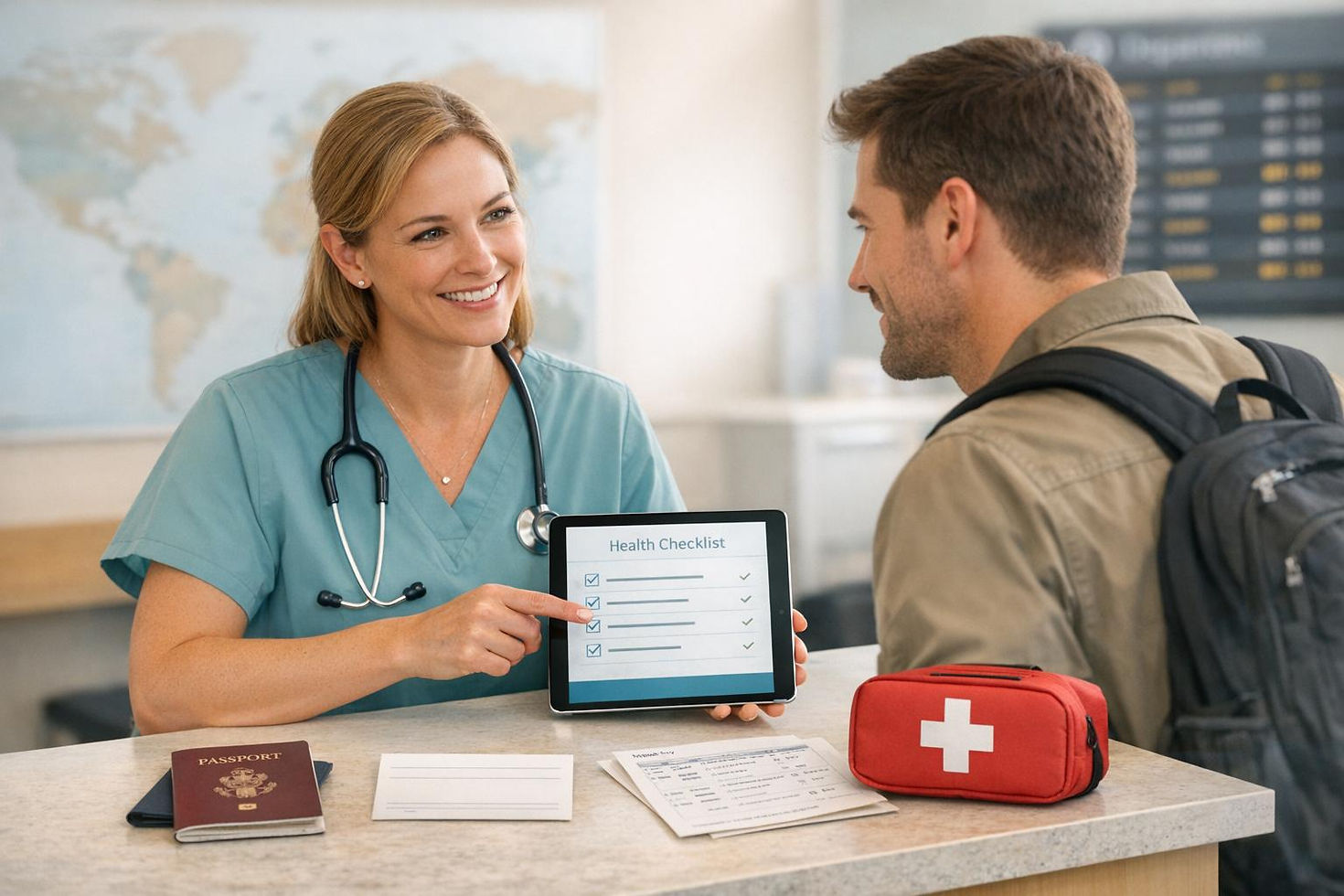
Complete Guide to Safe Medical Travel and Volunteer Trips
In today’s world, travel has evolved into much more than leisurely vacations. From impactful volunteer trips to affordable medical tourism, there are opportunities to explore the world while addressing personal or societal needs. Renowned travel journalist Peter Greenberg, in an enlightening discussion, sheds light on the transformative power of purposeful travel, offering invaluable insights into navigating its challenges safely and effectively.
Whether you’re seeking to contribute to global communities, access affordable medical care, or find solutions for medical emergencies while traveling, this guide unpacks all the essential details for a seamless and rewarding experience.
The Rise of Volunteer Travel: Travel with a Purpose
Volunteer vacations, also known as "voluntourism", are an increasingly popular way to combine travel with meaningful service. According to Greenberg, these trips offer a chance to go beyond lounging by the pool, enabling travelers to immerse themselves in local cultures while making a tangible impact.
Types of Volunteer Trips
Volunteer trips are diverse and cater to various interests and skillsets. They can range in length from as short as four days to as long as nine months, depending on flexibility and availability. Some popular examples include:
Healthcare Missions: Organizations like Airline Ambassadors provide critical medical supplies, education, and assistance to underserved communities worldwide. These missions are accessible to anyone, regardless of whether they have medical expertise.
Scientific Expeditions: Groups such as Earthwatch allow participants to contribute to environmental research, such as studying animal migration or sea turtle conservation.
Community Building: Habitat for Humanity and similar organizations focus on constructing homes and infrastructure for communities in need.
Customized Experiences: Travelers can integrate volunteer activities into their itineraries by booking short-term projects during their trips.
Why Volunteer Travel Matters
The appeal of voluntourism lies in its ability to create a deeper connection to the places and people travelers encounter. As Greenberg notes, "It’s probably the best gift you can give yourself." Benefits include:
Immersion in foreign cultures
Opportunities to give back to communities
A sense of fulfillment that extends beyond typical sightseeing
While many associate these trips with developing nations, Greenberg highlights that opportunities also exist domestically, with over 1,200 organizations offering volunteer experiences within the United States.
Key Considerations for Volunteer Travelers
Flexibility: Be open to new experiences, as these trips often come with unpredictable challenges.
Planning: Research organizations thoroughly to ensure they align with your goals and values.
Budgeting: Many programs are cost-effective, but it’s wise to confirm where your money goes. Look for organizations with high transparency, such as Airline Ambassadors, where funds are used directly for missions rather than administrative overhead.
sbb-itb-f26007d
Medical Tourism: Affordable Healthcare Beyond Borders
For individuals facing high medical costs or insufficient insurance coverage, medical tourism offers a solution. This growing trend involves traveling to other countries for medical procedures, ranging from dental work to major surgeries.
Why Medical Tourism Is Gaining Popularity
Medical tourism is driven by the stark cost disparities between countries. Greenberg cites examples such as:
Dental Care in Mexico: Border towns like Algodones attract Americans seeking affordable, high-quality dental services. Remarkably, many of the practitioners were trained in the U.S.
Major Surgeries in Asia: Thailand and other countries offer procedures like hip replacements and kidney surgeries at a fraction of U.S. prices, often with comparable quality.
Important Factors to Consider
While medical tourism is cost-effective, it requires careful preparation to ensure safety and quality care:
Research Accreditation: Verify that the hospitals or clinics meet international standards.
Coordinate Aftercare: Proper post-operation care is critical. Flying home immediately after major surgery can lead to complications, so plan for a supervised recovery period.
Consult Your Doctor: Involve your primary care physician in the decision-making process. Collaboration between your local doctor and the overseas medical team ensures continuity of care.
Weigh Quality Over Cost: Focus on the quality of medical services rather than just the price. Some facilities excel, while others may fall short.
Medical Emergencies While Traveling: What You Need to Know
Medical emergencies during travel can be stressful, especially when they occur mid-flight. Greenberg emphasizes that preparedness and quick action can save lives.
Tips for Handling Medical Emergencies Mid-Flight
Don’t Hesitate to Assist: Good Samaritan laws protect medical professionals who aid passengers during emergencies.
Trust the Crew and Equipment: Many airlines now equip their staff with advanced medical kits and training. Foreign carriers often have more sophisticated tools than U.S. airlines, including defibrillators and EKG machines.
Communicate with Ground Teams: Some airlines can transmit patient vitals directly to ground-based medical facilities for real-time analysis and guidance.
Know Your Role: Physicians have significant authority in emergencies. If you determine that a patient’s condition is life-threatening, pilots will likely divert the flight to the nearest airport.
Greenberg’s Take on Medical Kits
Greenberg observes that U.S. airlines lag behind international carriers in the quality of their onboard medical kits. While some kits offer only basic supplies, international airlines often include life-saving equipment. This disparity underscores the importance of advocating for better preparation across the industry.
Key Takeaways
Volunteer Travel: A transformative way to give back while immersing yourself in new cultures. Research organizations carefully to ensure impact and alignment with your goals.
Medical Tourism: Offers an affordable alternative for costly procedures but requires meticulous planning, especially for post-operative aftercare.
Emergency Preparedness: Physicians traveling internationally should feel confident stepping in during medical emergencies, as legal protections are in place and airline crews are increasingly well-trained.
Research and Transparency: Whether volunteering or seeking medical treatment, verify the credibility of organizations, hospitals, and programs to ensure safety and positive outcomes.
Global Opportunities: While third-world countries often host these experiences, there are also countless opportunities within the United States.
Conclusion
The world of travel is teeming with opportunities to expand horizons while addressing critical needs - whether by contributing to global communities, seeking affordable medical solutions, or responding to emergencies. Peter Greenberg’s insights highlight the importance of approaching these experiences with preparation, open-mindedness, and a willingness to adapt.
Traveling with a purpose not only enhances personal growth but also creates lasting positive impacts on the lives of others. As you embark on your next journey, consider how you can make it more meaningful, impactful, and prepared for any eventuality. Safe travels!
Source: "Navigating Medical Volunteer Travel Opportunities" - ReachMD, YouTube, Aug 14, 2025 - https://www.youtube.com/watch?v=hBj5OUQwUpY


Comments